- What's Kuradashi Tea
- Four Seasons of Green Tea
- Green Tea for Health
- How to Enjoy Green Tea
- Iced Tea Recipes
- History of Green Tea
- Benefits of Matcha
- Japanese Tea Ceremony
- Organic Tea Farm
- Celebration Gifts in Japan
- Choosing a Japanese Tea
- Choosing Tea Ware
- Traveling around Uji
- Japanese Wood & Lacquer Traditions
- RAKU YAKI - Avantgarde to Tradition


- Kuradashi Matcha (Limited)Enriched by traditional way. Mellow and enhanced taste

- Kuradashi Tea (Enriched in the granary)Now Available!

- Holiday Gift (Hibiki-an's Gifts)Celebration Gifts in Japan

- RAKU YAKI - Matcha Bowl (New & Limited)Avant-garde and novel limited bowls

- What is Kuradashi TeaDo you know Kuradashi enriched Tea?

- Matcha Bowls / Accessories (New & Limited)Modern sophisticated / traditional handcrafted

- Yunomi and Accessories (New & Limited)Modern sophisticated / traditional handcrafted

- [Limited] Snacks / Candy (Autumn)Premium, Traditional & Modern

Matcha Bowls/Accessories
All of our Matcha Bowls / Accessories are carefully selected for their function, value, and style. We have a wide variety of items: handmade matcha bowls, bamboo accessories for matcha, and much more.

Best Selling Items- Monthly
-
1
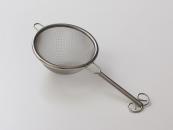 Hand Sifter (Chakoshi)
US$12.50
-
2
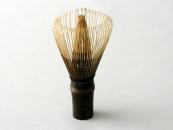 KUROCHIKU Chasen (Bamboo Whisk)
US$35.50
-
3
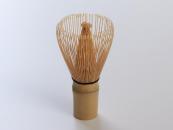 Bamboo Whisk 100 bristles (Chasen)
US$35.50
-
4
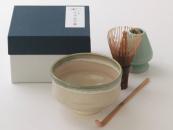 [Limited] KIBUCHI ORIBE Matcha Starter Set
US$107.00
-
5
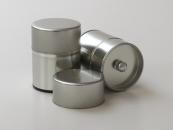 KIJICAN (airtight container: pair: capacity 40g)
US$18.00
-
6
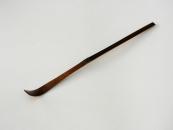 SUSUDAKE Chashaku (handcrafted Matcha Spoon)
US$20.50
-
7
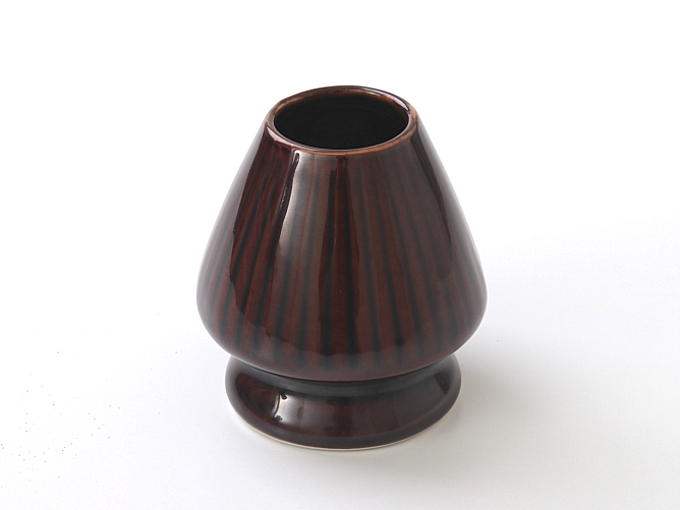
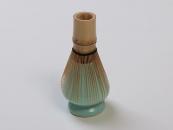 Whisk Keeper (Kusenaoshi)
US$14.50
-
8
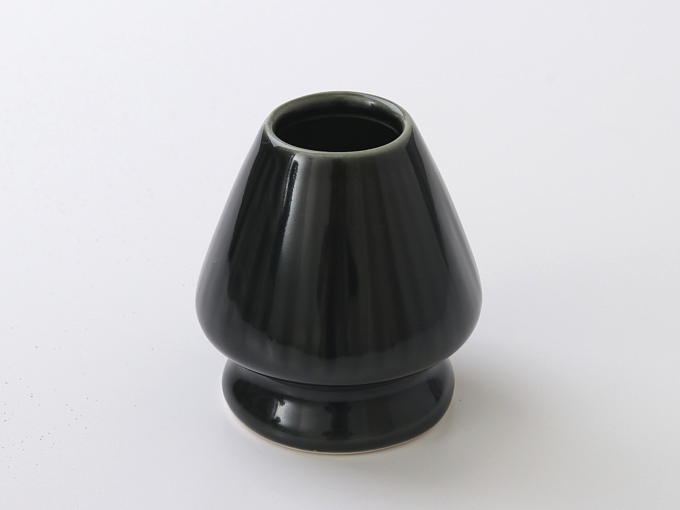 [New] Whisk Keeper - ORIBE (Kusenaoshi)
US$25.00
-
9
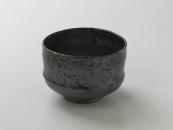 BEEDORO Matcha Chawan (Matcha Bowl)
US$38.00
-
10
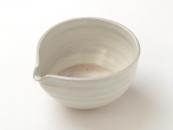 KATAKUCHI Matcha Bowl(handcrafted Bowl with pour spout)
US$40.50
-
11
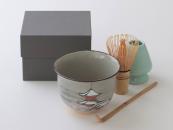 [Limited] KIYOMIZUDERA - YUKI GESHIKI Matcha Starter Set
US$173.00
-
12
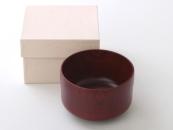 [Limited] RAKU GATA AKA-SURI (Wooden Matcha Bowl)
US$79.00
-
13
 [Limited] SAKURA SUZUME (handcrafted Matcha Bowl)
US$113.00
-
14
 Bamboo Whisk 80 bristles (Chasen)
US$31.50
-
15
 Chashaku (Matcha Spoon)
US$14.50


-
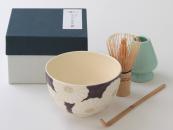
 Limited 31806 US$127.00 CHADAMARI - SAKURA Matcha Starter Set
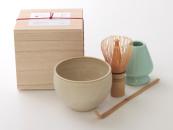
This Matcha bowl features a playful interpretation of CHADAMARI, a uniquely Japanese aesthetic element found at the center of a tea bowl. Traditionally, the chadamari is a small recessed area where the last drops of tea gather after drinking, allowing the bowl to be admired in its full beauty...

-
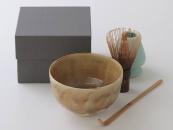 Limited 31807 US$127.00 YU RYU SAI - KOHAKU Matcha Starter Set
This Starter Set includes a Matcha Bowl (Matcha Chawan), Bamboo Whisk (Chasen) with 80 bristles, Whisk Keeper (Kusenaoshi), and Matcha Spoon (Chashaku). We chose YU RYU SAI - KOHAKU handcrafted Matcha Bowl for this Starter Set. It is the most standard shape and size, so that it is also perfect for beginners...
-
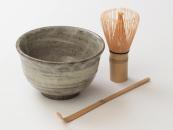
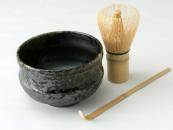
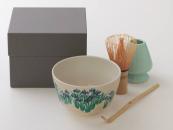
Limited 32107 US$107.00 KIBUCHI ORIBE Matcha Starter Set
This Starter Set includes a Matcha Bowl (Matcha Chawan), Bamboo Whisk (Chasen) with 80 bristles, Whisk Keeper (Kusenaoshi), and Matcha Spoon (Chashaku). We chose KIBUCHI ORIBE handcrafted Matcha Bowl for this Starter Set. It is the most standard shape and size, so that it is also perfect for beginners...

-
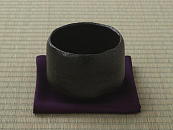 KIRAI 33115 US$2,380.00 KASEYU KURO CHAWAN - Rikyu GONOMI (handcrafted)
This KASEYU KURO CHAWAN – Rikyu GONOMI is a genuine Matcha bowl, following the traditional Raku-yaki method. Formed by a traditional method, which does not use a potter's wheel, the bowl is simple yet exquisitely asymmetrical upon closer inspection. This is the ultimate form pursued by Sen no Rikyu over his lifetime....
-
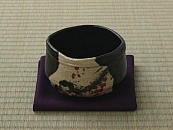 KIRAI 33117 US$2,180.00 KURO ORIBE CHAWAN - KOUBAI (handcrafted Matcha Bowl)
This KURO ORIBE CHAWAN is quite unique work, which is made with an avant-garde spirit while strictly adhering to traditional Raku-yaki techniques. What makes this work extraordinary is the harmonization of Raku-yaki and Oribe-yaki, which are two contradictory styles. Raku-yaki focuses on the principle of unintentionality, whereas Oribe-yaki celebrates the artisan’s intentional work in terms of shape, texture, and design....
-
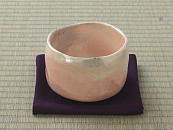 KIRAI 33125 US$1,920.00 TANSAI AKA CHAWAN - YOSHINO no SAKURA (handcrafted)
This TANSAI AKA CHAWAN - YOSHINO no SAKURA is a pale and beautiful Matcha bowl that represents the famous cherry blossom scenery of Yoshino town, Nara Prefecture. While based on the traditional Raku-Yaki form, it is a masterpiece with a unique charm that is unprecedented in its history......
-
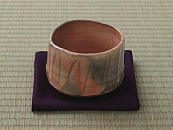
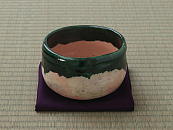 KIRAI 33130 US$1,780.00 ORIBE CHAWAN (handcrafted Matcha Bowl)
This ORIBE CHAWAN is Raku-Yaki, yet avant-garde, with free inspiration and a relaxed mood. ORIBE means Furuta Oribe(1563-1615), a Japanese general of the Warring States period. He is famous as one of the disciples of Sen no Rikyu(1522-1591), the founder of the Japanese tea ceremony......
-
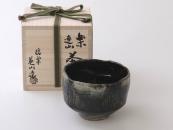 Limited 33801 US$410.00 RENZAN (handcrafted Matcha Bowl)
Thin black glaze was applied from the KOHDAI (foot) to the hip, and thick black glaze was applied around the middle. Mr. Eizan painted white glaze at the upper part, thickly. The flow and degree of mixture and the contrast of the glazes are quite interesting...
-
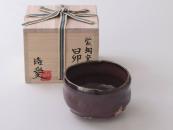 Limited 34103 US$398.00 SHIDOH YOHEN (handcrafted Matcha Bowl)
This Matcha bowl is a masterful expression of Japan’s ancient ceramic heritage, created using the revered technique of WARA HAIYU - a method rooted in nature, fire, and time itself. It is a piece crafted with a deep focus on creating beautiful colors and scenery using materials from the earth...
-
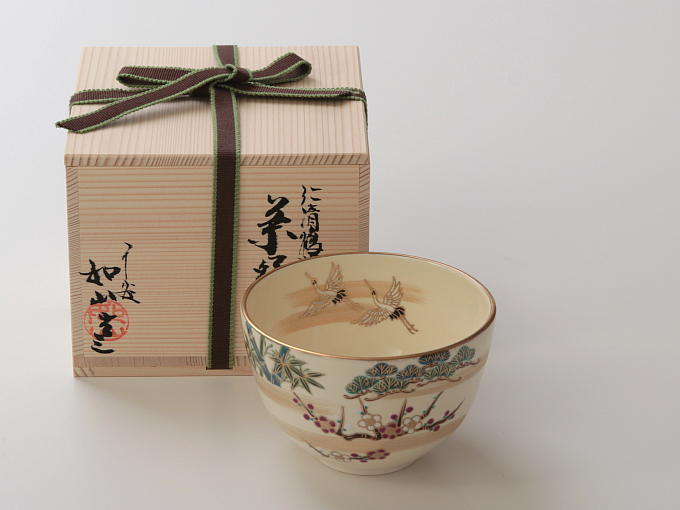 Limited 34107 US$312.00 NINSEI TSURU SHOHCHIKUBAI (handcrafted Matcha Bowl)
This Matcha Bowl is graceful and dignified. NINSEI of this name means Ninsei Nonomura who developed the Kyo-Yaki style in the early 17th century. TSURU means crane and SHOHCHIKUBAI means MATSU pine tree, TAKE bamboo and UME plum in Japanese…
-
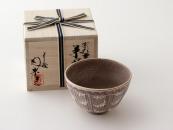 Limited 34253 US$228.00 SHISAI KAMON (handcrafted Matcha Bowl)
TSHISAI KAMON has not only sophisticated but unique atmosphere like nostalgic early-modern Japan. This is created by a technique called MISHIMA. Before shaped clay is dried, patterns are marked by stamp stick carved with flowers or another similar design...
-
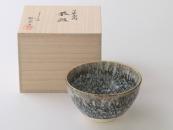 Limited 34652 US$162.00 MANGE YUTEKI (handcrafted Matcha Bowl)
This Matcha bowl looks very simple, but it requires immeasurable efforts and time to create this bowl. Black and white glaze coat this earthenware color Matcha bowl. The flow of white glaze is well reflected on the black glaze, and creates an irregular pattern...
-
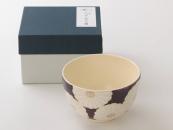 Limited 34770 US$144.00 SHIROKIKU - MURASAKI (handcrafted Matcha Bowl)
This matcha bowl carries a presence that is both bold and quietly serene. KIKU, the chrysanthemum, blooming with strength even in darkness, embodies power and elegance. What immediately draws our attention is the striking contrast of SHIRO and MURASAKI, white and purple - an unexpected pairing that feels calm despite its intensity...
-
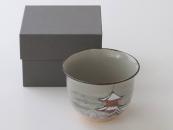 Limited 35109 US$173.00 KIYOMIZUDERA - YUKI GESHIKI (handcrafted Matcha Bowl)
Behind the temple, you see mountains in northeast side of Kyoto city. Since Kyoto is set in a basin, the city is naturally framed by these grand peaks. Combined with strict height limits that keep the buildings low, you get an unbroken view of the surrounding nature from almost anywhere...
-
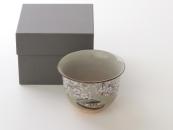 Limited 35110 US$113.00 SAKURA YAKATABUNE (handcrafted Matcha Bowl)
This Matcha bowl is crafted in the Kenzan Cho, featuring a warm red clay body finished with a soft white slip, where elegance and gentle rusticity coexist in perfect harmony. Kenzan Cho refers to the style of pottery associated with Ogata Kenzan, a ceramic artist of the Edo period, as well as the distinctive aesthetic of Kenzan Yaki that he established...
-
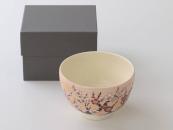 Limited 35300 US$113.00 KOHBAI ZU (handcrafted Matcha Bowl)
KOHBAI refers to UME plum in full bloom with its delicate fragrance. When you gaze at this Matcha bowl, you will see multiple layers of precise craftsmanship and time-intensive work. The more you look at this piece, the more you will appreciate its beauty...
-
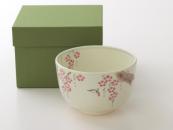
Limited 35501 US$113.00 SAKURA SUZUME (handcrafted Matcha Bowl)
Inspired by Kyoto in full spring bloom, the design captures an enchanting moment: SUZUME fluttering playfully among cascading cherry blossoms, seeking nectar beneath the soft canopy of weeping SAKURA. The scene feels alive - tender, joyful, and fleeting - like spring itself...
-
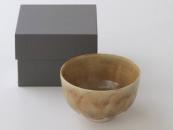 Limited 37207 US$87.00 YU RYU SAI Matcha bowl - KOHAKU (handcrafted)
This Matcha bowl is a refined and elaborate work. Multiple glazes are applied to both the interior and exterior, and their flowing patterns create remarkable beauty. In fact, three layers of glaze are carefully built up, each contributing depth and complexity. The unique contrast between the glazes gives the bowl a fantastic and mysterious aura...
-
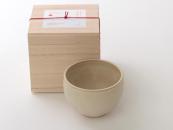 Limited 37216 US$87.00 CHADAMARI - SAKURA (handcrafted Matcha Bowl)
This Matcha bowl has been thoughtfully designed to deepen the enjoyment of a uniquely Japanese aesthetic feature known as CHADAMARI. At the very center of the bowl’s interior base, a delicate cherry blossom-shaped indentation has been placed, inviting both discovery and delight…
-
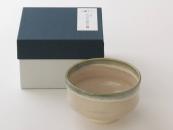 Limited 37701 US$67.00 KIBUCHI ORIBE (handcrafted Matcha Bowl)
This piece was crafted using a green glaze known as RYOKU YU to replicate ROKUSHO IRO, the patina on the surface of bronze, which is produced by oxidation over a long period. It symbolizes the fresh, sprouting young leaves and a profound appreciation of nature...
-
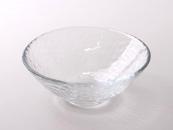 Limited 38302 US$44.50 KAMAKURA Glass Matcha Bowl (handcrafted)
This Matcha bowl is crafted using the traditional spin-forming technique of EDO Glass. Molten glass is dropped into a rapidly rotating mold, where centrifugal force spreads it outward to form the vessel. This process creates a thin, evenly shaped bowl with gentle undulations and soft texture characteristic of handmade glass...
-
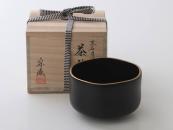
 38503 US$28.00 SEIHAKUJI Matcha Chawan (Porcelain Matcha Bowl)
SEI means blue in Japanese. SEIHAKUJI is a kind of HAKUJI (white porcelain) with a glaze that is a beautiful light blue. SEIHAKUJI was held in high esteem by nobles such as Japanese feudal lords. The pale blue color evokes a clean and calm atmosphere...
-
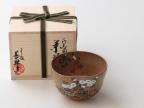
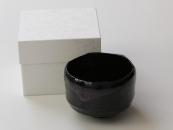
KIRAI 33115 US$2,380.00 KASEYU KURO CHAWAN - Rikyu GONOMI (handcrafted)
This KASEYU KURO CHAWAN – Rikyu GONOMI is a genuine Matcha bowl, following the traditional Raku-yaki method. Formed by a traditional method, which does not use a potter's wheel, the bowl is simple yet exquisitely asymmetrical upon closer inspection. This is the ultimate form pursued by Sen no Rikyu over his lifetime....
-
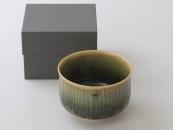
KIRAI 33117 US$2,180.00 KURO ORIBE CHAWAN - KOUBAI (handcrafted Matcha Bowl)
This KURO ORIBE CHAWAN is quite unique work, which is made with an avant-garde spirit while strictly adhering to traditional Raku-yaki techniques. What makes this work extraordinary is the harmonization of Raku-yaki and Oribe-yaki, which are two contradictory styles. Raku-yaki focuses on the principle of unintentionality, whereas Oribe-yaki celebrates the artisan’s intentional work in terms of shape, texture, and design....
-
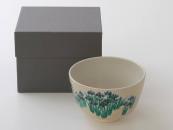
KIRAI 33125 US$1,920.00 TANSAI AKA CHAWAN - YOSHINO no SAKURA (handcrafted)
This TANSAI AKA CHAWAN - YOSHINO no SAKURA is a pale and beautiful Matcha bowl that represents the famous cherry blossom scenery of Yoshino town, Nara Prefecture. While based on the traditional Raku-Yaki form, it is a masterpiece with a unique charm that is unprecedented in its history......
-
KIRAI 33130 US$1,780.00 ORIBE CHAWAN (handcrafted Matcha Bowl)
This ORIBE CHAWAN is Raku-Yaki, yet avant-garde, with free inspiration and a relaxed mood. ORIBE means Furuta Oribe(1563-1615), a Japanese general of the Warring States period. He is famous as one of the disciples of Sen no Rikyu(1522-1591), the founder of the Japanese tea ceremony......
-
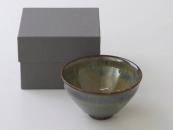
 Limited 33301 US$845.00 KURO IWANAMI - KUTSUGATA (handcrafted Matcha bowl)
KURO IWANAMI means waves crashing on black rocks in Japanese. This Matcha bowl is very avant-garde, yet it is based on traditional techniques, and created uniquely by the artisan, Mr. Sako. It is ideal for tea ceremonies, and holding it in both hands is inexplicably calming.
-
 Limited 33302 US$845.00 KURO IWANAMI - HIRAGATA (handcrafted Matcha bowl)
KURO IWANAMI means waves crashing on black rocks in Japanese. This Matcha bowl is very avant-garde, yet it is based on traditional techniques, and created uniquely by the artisan, Mr. Sako. It is ideal for tea ceremonies, and holding it in both hands is inexplicably calming.
-
 Limited 33303 US$845.00 KURO IWANAMI - TSUTSUGATA (handcrafted Matcha bowl)
KURO IWANAMI means waves crashing on black rocks in Japanese. This Matcha bowl is very avant-garde, yet it is based on traditional techniques, and created uniquely by the artisan, Mr. Sako. It is ideal for tea ceremonies, and holding it in both hands is inexplicably calming.
-
 NIJO Castle KANO 33351 US$985.00 MATSU TAKA ZU (by Zenshoh Yamaoka)
MATSU TAKA ZU was painted for the OHIROMA great hall, where is decorated with paintings that honored the SHOGUN emperor. When the DAIMYO vassal lords looked up to see the SHOGUN emperor, they felt as if the great pine tree arced above the SHOGUN emperor...
-
 NIJO Castle KANO 33352 US$985.00 KIKU ZU (by Zenshoh Yamaoka)
KIKU ZU was painted for the KUROSHOIN rooms, where the SHOGUN emperor carried out everyday tasks with his followers, are decorated with relaxing, elegant, and gentle paintings of birds, flowers, trees, and so on in order to create an atmosphere of abundant fertility...
-
 NIJO Castle KANO 33353 US$875.00 CHIKURIN GUNKO ZU (by Zenshoh Yamaoka)
CHIKURIN GUNKO ZU was painted for the west wing of TOHZAMURAI great entrance hall, where is decorated with strong, dynamic paintings in order to show the dignity of the SHOGUN emperor to DAIMYO vassal lords. DAIMYO vassal lords should have felt awed to see paintings of the tiger pride...
-
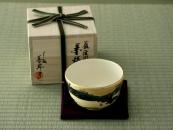 NIJO Castle KANO 33354 US$875.00 ROGAN ZU (by Zenshoh Yamaoka)
ROGAN ZU was painted for the anterooms of the SHIKIDAI rooms, where are decorated with affable, kindly, and elegant paintings to cultivate a feeling of warm hospitality. This ROGAN ZU is popular because of the affable, kindly, and elegant atmosphere...
-
 Shouraku 33603 US$449.00 SHICHIRI (handcrafted Matcha Bowl)
The sides of this piece are deliberately and boldly whittled away. It evokes a very powerful impression, as though we are gazing upon a great rocky cliff. The foot of this bowl is intentionally finished low and the scene from the bottom to the middle of the side is sublime and tension-filled...


-
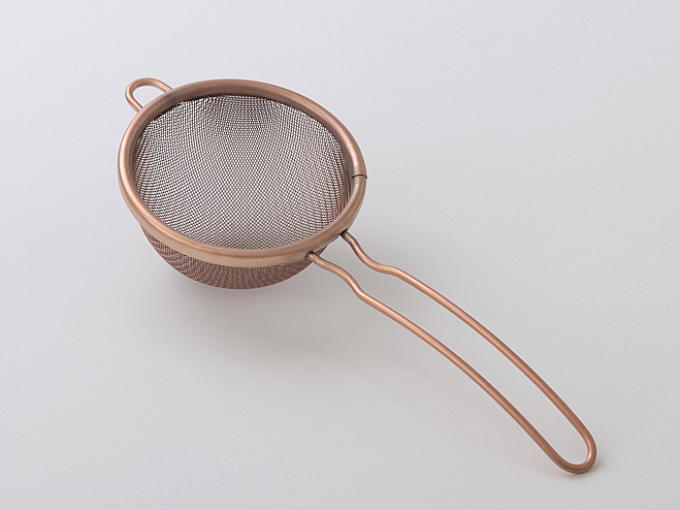 New 39025 US$40.00 Hand Sifter - Pink Gold (Chakoshi)
The ultimate goal of this product is “the tea strainer you'll want to display,” which is to stand out in both functionality and design. The manufacturer created this Chakoshi for café owners who need to prepare Matcha as fast as possible without leaving any lumpy texture...
-
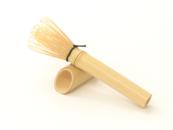 New 39070 US$35.50 Mug Whisk (Chasen)
Skillfully handmade from one piece of natural bamboo, the Chasen is used to whisk Matcha into a delicious frothy brew. Unlike traditional whisks used for authentic Matcha, the muddler-style whisk is designed for a more casual and approachable way to enjoy Matcha...
-
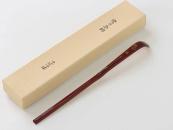 New 39102 US$32.00 NURI Chashaku - TSUBO TSUBO (handcrafted)
What makes this piece truly exceptional is the red lacquered back. By coating only the underside, the natural, unadorned bamboo on the front and the rich red lacquer behind seamlessly complement each other, highlighting their distinct textures...
-
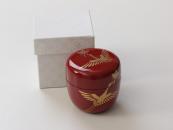 39131 US$53.00 Natsume - MATSUKUI TSURU (handcrafted canister)
NATSUME is a Matcha container traditionally used in the Japanese tea ceremony. MATSU means pine, and TSURU means crane in Japanese. Both of them have been regarded as the traditional auspicious composition symbolizing longevity in Japan...
-
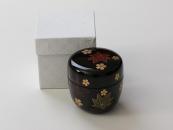 39132 US$53.00 Natsume - SAKURA MOMIJI (handcrafted canister)
This canister expresses the four seasons in Japan by cherry blossoms and maple leaves. All flowers and leaves flutter elegantly in this canister. TAME is a specific color of lacquer craft. The color is a rich dark brown, and it is one of the most traditional colors of Yamanaka Nuri...
-
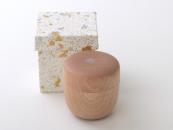 New 39133 US$98.00 Natsume - Mizume Soji (handcrafted canister)
“Soji” is a finish that preserves and highlights the original grain and natural color of the wood, allowing its inherent elegance to shine through. As the natural grain and original color of the wood are preserved, you can enjoy the aging process more directly....
-
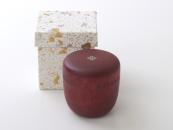 New 39134 US$98.00 Natsume - Mizume AKA SURI (handcrafted canister)
“Aka Suri” is distinguished by its luminous red finish through which the natural wood grain and subtle texture remain beautifully visible beneath the surface. This effect is achieved through the traditional Fuki-Urushi (wiped lacquer) technique, where layers of lacquer are repeatedly applied and carefully wiped away...
-
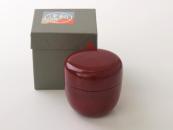 New 39135 US$248.00 Natsume - Nanako Nuri AKANE (handcrafted canister)
This piece features Nanako Nuri, a distinguished Tsugaru lacquer technique characterized by delicate circular patterns. These motifs are created by sprinkling rapeseeds onto freshly applied lacquer, resulting in organic variations where no two circles are identical...
-
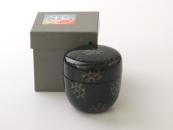 New 39136 US$262.00 Natsume - Kara Nuri NASHIGURO (handcrafted canister)
This Natsume is crafted using Kara Nuri, the most representative technique of Tsugaru lacquer craft, in which artisans create distinctive speckled patterns with a perforated spatula, layer colored lacquer, and then polish the surface to reveal vibrant, abstract designs. The word “Kara” signifies excellence, reflecting the superior craftsmanship of this technique...
-
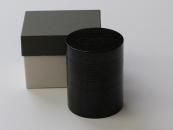 39161 US$99.00 KEYAKI KURO MEHAJIKI (handcrafted container; capacity 60g)
The wood is from the Zelkova tree, known as KEYAKI in Japan. Japanese artisans use KEYAKI for traditional wooden lacquer because the wood is strong and the grain is quite beautiful. KURO means black, and MEHAJIKI is one of the craft techniques used to paint lacquer. The glossy and deep black color evokes a noble and majestic atmosphere...
-
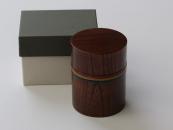 39162 US$95.00 KEYAKI KOMANURI (handcrafted container; capacity 60g)
The stripe design on this tea container is called KOMA NURI in Japanese. KOMA means a toy spinning top, and NURI means painting in Japanese. KOMA is a traditional toy, played with during the New Year holiday celebration in Japan, and is said to be an auspicious item...