


- What's Kuradashi Tea
- Four Seasons of Green Tea
- Green Tea for Health
- How to Enjoy Green Tea
- Iced Tea Recipes
- History of Green Tea
- Benefits of Matcha
- Japanese Tea Ceremony
- Organic Tea Farm
- Celebration Gifts in Japan
- Choosing a Japanese Tea
- Choosing Tea Ware
- Traveling around Uji
- Japanese Wood & Lacquer Traditions
- RAKU YAKI - Avantgarde to Tradition


- Kuradashi Matcha (Limited)Enriched by traditional way. Mellow and enhanced taste

- Kuradashi Tea (Enriched in the granary)Now Available!

- Kuradashi Gyokuro PinnacleShaded from Sunlight by the most traditional way "Honzu"

- RAKU YAKI - Matcha Bowl (New & Limited)Avant-garde and novel limited bowls

- What is Kuradashi TeaDo you know Kuradashi enriched Tea?

- Matcha Bowls / Accessories (New & Limited)Modern sophisticated / traditional handcrafted

- Yunomi and Accessories (New & Limited)Modern sophisticated / traditional handcrafted

- [Limited] Snacks / Candy (Autumn)Premium, Traditional & Modern

New Items
This category includes high-profile items such as new teas and tea ware, seasonal limited edition items, and monthly recommended items.

-
 Limited 21102 US$348.00 KOKUSHU Hohin Set (handcrafted Tea Set)
The Hohin (meaning Treasure Jar or Magical Jar) is a specialized Kyusu, unique in its handle-less design, crafted exclusively for brewing the most exquisite grades of Uji tea. It is believed that the Hohin bestows an even more mellow character upon high-grade teas...

-
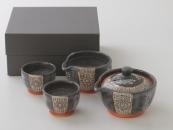 Limited 21302 US$179.00 KURO SHINO INKA Hohin Set (handcrafted Tea Set)
This KURO SHINO Hohin Set exudes a quiet elegance and refined sophistication. Finished with a deep gray glaze known as KURO SHINO, it conveys a sense of maturity and timeless beauty. Bold white vertical panels decorate the exterior, while delicate gold lines accentuate their borders, adding a graceful touch...
-
 New 21401 US$80.00 CHATATSU Hohin set - KAMENOZOKI (handcrafted)
CHATATSU is another name for Hohin. KAMENOZOKI refers to a traditional, very pale and clear sky-blue color achieved through indigo dyeing. The name originates from the practice of dipping fabric into an indigo vat (AI-GAME) or from the delicate blue seen when looking into the vat shortly after the dyeing process begins...
-
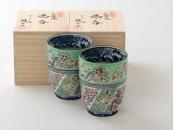 Limited 22105 US$469.00 SHOSOIN - Green - pair (handcrafted Teacup)
SHOSOIN is a repository of treasures located next to TODAIJI Temple in Nara. It has a large collection of Japanese artifacts dating from the 7th to 10th centuries, some of which show cultural influences from the Middle East, Greece, and Rome...
-
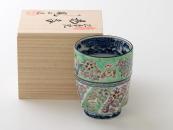 Limited 22106 US$269.00 SHOSOIN - Green (handcrafted Teacup: 200ml)
SHOSOIN is a repository of treasures located next to TODAIJI Temple in Nara. It has a large collection of Japanese artifacts dating from the 7th to 10th centuries, some of which show cultural influences from the Middle East, Greece, and Rome...
-
 RINPA 22592 US$173.00 KAKITSUBATA ZU (handcrafted teacup)
KAKITSUBATA means iris in Japanese. The contrast between the green color of the iris leaves and the navy and light blue colors of the iris petals creates a fresh atmosphere. The golden glaze coats outside the teacup, and it is close to the original color of the BYOBU folding screen...
-
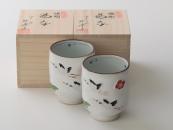
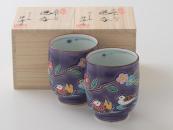 Limited 23405 US$154.00 KOHCHI OSHIDORI - pair (handcrafted Teacup)
This elegant teacup depicts a pair of mandarin ducks gliding peacefully across the water beneath branches adorned with cherry blossoms and fresh young leaves. In Japan, the expression OSHIDORI FUFU ("mandarin duck couple") is used to describe a happily married couple...
-
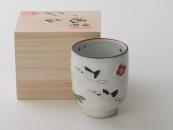
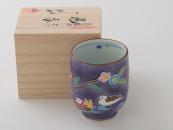 Limited 23406 US$88.00 KOHCHI OSHIDORI (handcrafted Teacup: 180ml)
This elegant teacup depicts a pair of mandarin ducks gliding peacefully across the water beneath branches adorned with cherry blossoms and fresh young leaves. In Japan, the expression OSHIDORI FUFU ("mandarin duck couple") is used to describe a happily married couple...
-
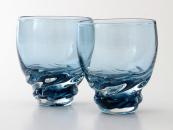 Limited 23704 US$131.00 NOTO Blue Tea Glass - NAGARE - pair (handcrafted glass)
The NOTO Blue - NAGARE tea glass combines crystal-clear glass with a deep ocean-blue hue, creating a refreshing yet sophisticated design unlike any other. Each flowing contour is carefully shaped by hand, allowing the glass to capture light and cast beautiful shadows. Designed with the concept that "even its shadow should be beautiful," this handcrafted piece reveals a different expression depending on the light and the angle from which it is viewed...
-
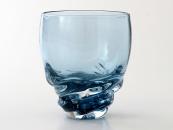 Limited 23705 US$75.00 NOTO Blue Tea Glass - NAGARE (handcrafted glass 110ml)
The NOTO Blue - NAGARE tea glass combines crystal-clear glass with a deep ocean-blue hue, creating a refreshing yet sophisticated design unlike any other. Each flowing contour is carefully shaped by hand, allowing the glass to capture light and cast beautiful shadows. Designed with the concept that "even its shadow should be beautiful," this handcrafted piece reveals a different expression depending on the light and the angle from which it is viewed...
-
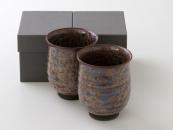 Limited 23719 US$131.00 HANA KESSHO Yunomi HAICHA - pair (handcrafted)
The traditional Japanese color HAICHA has been admired since the Edo period. Its muted brown, reminiscent of tea softened with a hint of ash, embodies a quiet elegance. Subtle yet dignified, understated yet sophisticated, HAICHA reflects the refined beauty of Japanese aesthetics...
-
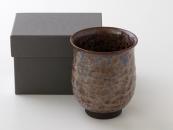 Limited 23720 US$75.00 HANA KESSHO Yunomi HAICHA (handcrafted: 210ml)
The traditional Japanese color HAICHA has been admired since the Edo period. Its muted brown, reminiscent of tea softened with a hint of ash, embodies a quiet elegance. Subtle yet dignified, understated yet sophisticated, HAICHA reflects the refined beauty of Japanese aesthetics...
-
 Limited 23829 US$115.00 TSUKI AKARI Amber Tea Glass - pair (handcrafted glass)
A soft amber-colored glass teacup reminiscent of gentle moonlight, this TSUKI AKARI tea glass is crafted using a special technique that creates a unique pattern of colors. The pattern is created when the hot glass is rapidly cooled during the manufacturing process. This heat-resistant tea glass is thin and lightweight with an incomparable elegance and gracefulness...
-
 Limited 23830 US$66.00 TSUKI AKARI Amber Tea Glass (handcrafted glass 100ml)
A soft amber-colored glass teacup reminiscent of gentle moonlight, this TSUKI AKARI tea glass is crafted using a special technique that creates a unique pattern of colors. The pattern is created when the hot glass is rapidly cooled during the manufacturing process. This heat-resistant tea glass is thin and lightweight with an incomparable elegance and gracefulness...
-
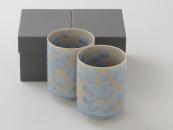 Limited 24009 US$115.00 HANA KESSHO Yunomi GINFUJI -pair (handcrafted)
This item is finished by the technique called crystal glaze. HANA of this name means flower and KESSHO means crystal in Japanese. GIN of this name means silver and FUJI means wisteria in Japanese. It expresses noble elegant purple color glaze which was newly developed at Tohan Kiln...
-
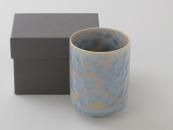 Limited 24010 US$66.00 HANA KESSHO Yunomi GINFUJI (handcrafted: 200ml)
This item is finished by the technique called crystal glaze. HANA of this name means flower and KESSHO means crystal in Japanese. GIN of this name means silver and FUJI means wisteria in Japanese. It expresses noble elegant purple color glaze which was newly developed at Tohan Kiln...
-
 New 24201 US$98.00 HOEN BAIKA Yunomi - pair (by Eizan Okuda)
This Yunomi, with its square body and rounded mouth, is a special masterpiece created by the artisan Mr. Eizan Okuda. The unique shape and the gradation of patterns created by the traditional firing method of the ANAGAMA kiln make this Yunomi extremely distinguished.
-
 New 24202 US$56.00 HOEN BAIKA Yunomi (by Eizan Okuda)
This Yunomi, with its square body and rounded mouth, is a special masterpiece created by the artisan Mr. Eizan Okuda. The unique shape and the gradation of patterns created by the traditional firing method of the ANAGAMA kiln make this Yunomi extremely distinguished.
-
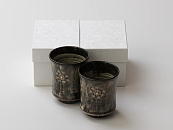 Limited 24622 US$84.00 KUSHIME INKA Yunomi - KURO - pair (handcrafted)
KURO means black. Even though the name refers to the black color, the actual color is dark brown. It is named as such to represent contrast. KUSHIME means comb line in Japanese. Fine and uneven comb lines are marked vertically and from the rim to the bottom...
-
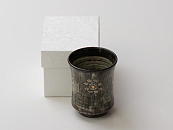 Limited 24623 US$48.00 KUSHIME INKA Yunomi - KURO (handcrafted: 150ml)
KURO means black. Even though the name refers to the black color, the actual color is dark brown. It is named as such to represent contrast. KUSHIME means comb line in Japanese. Fine and uneven comb lines are marked vertically and from the rim to the bottom...
-
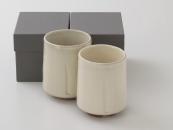
 Limited 24631 US$84.00 SHINO INKA - pair (handcrafted Teacup)
SHINO of this name means the place where this teacup was originated, and INKA means stamped flower in Japanese. Simple yet impressive stamped flowers are inlayed uniformly around the outside of the Yunomi. Flower centers colored white and grey are brilliant in the white and thick SHINO glaze...
-
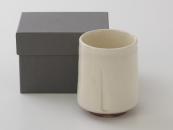
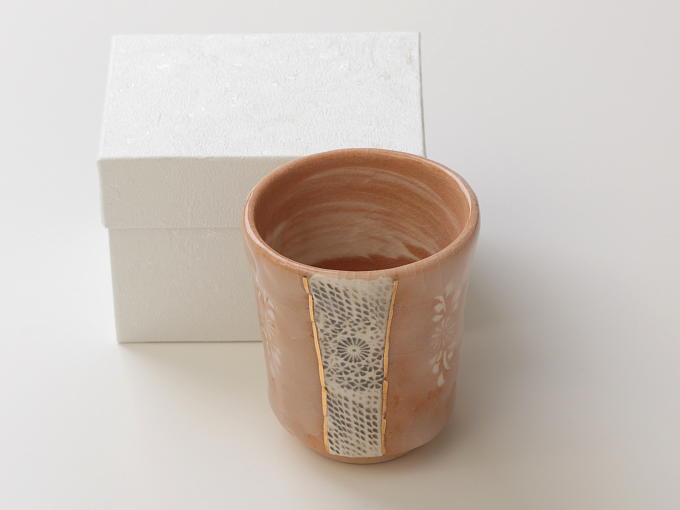 Limited 24632 US$48.00 SHINO INKA (handcrafted Teacup: 180ml)
SHINO of this name means the place where this teacup was originated, and INKA means stamped flower in Japanese. Simple yet impressive stamped flowers are inlayed uniformly around the outside of the Yunomi. Flower centers colored white and grey are brilliant in the white and thick SHINO glaze...
-
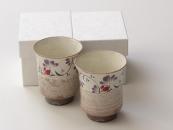 Limited 24637 US$84.00 KOBIKI KARAKUSA - pair (handcrafted Teacup)
KOBIKI of this name means glazing white color on the pottery, and KARAKUSA means arabesque pattern in Japanese. This Yunomi teacup is coated with glaze made from white clay, and KARAKUSA arabesque pattern is colorfully and rhythmically designed on the upper side...
-
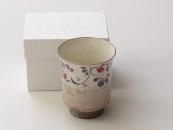 Limited 24638 US$48.00 KOBIKI KARAKUSA (handcrafted Teacup: 150ml)
KOBIKI of this name means glazing white color on the pottery, and KARAKUSA means arabesque pattern in Japanese. This Yunomi teacup is coated with glaze made from white clay, and KARAKUSA arabesque pattern is colorfully and rhythmically designed on the upper side...
-
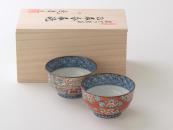 Limited 27037 US$397.00 AKADAMI BOTAN / HIWA KAUN Yunomi - pair (handcrafted)
This pair of Yunomi includes AKADAMI BOTAN KARAKUSA Yunomi and HIWA KAUN Yunomi. Each porcelain Yunomi features remarkable yet subtle carving and delicate vivid painting, which are both sustained by quite high level traditional techniques and intense effort over time...
-
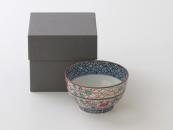 Limited 27038 US$228.00 HIWA KAUN Yunomi (handcrafted: 130ml)
This porcelain Yunomi features remarkable yet subtle carving and delicate vivid painting, which is sustained by quite high level traditional techniques and intense effort over time. HIWA means faint green color named for a bird called HIWA. KAUN means flower and cloud in Japanese...
-
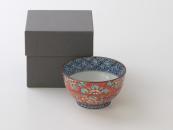 Limited 27039 US$228.00 AKADAMI BOTAN KARAKUSA Yunomi (handcrafted: 130ml)
This porcelain Yunomi features remarkable yet subtle carving and delicate vivid painting, which is sustained by quite high level traditional techniques and intense effort over time. AKADAMI of this name means filling blank space with red color, BOTAN means peony in Japanese...
-
 Limited 27455 US$98.00 BIZEN TAMA Yunomi - pair (handcrafted Teacup)
BIZEN TAMA Yunomi is particularly noteworthy in our lineup of tea ware because it allows you to feel the materiality of the clay and enjoy the scarlet color of the firing flame. You will be able to enjoy your tea time more comfortably by holding a teacup in your hand that allows you to strongly experience the texture of the earthenware clay, both visually and tactilely...
-
 New 27552 US$79.00 HYOUKA SENNOUGE Yunomi - pair (handcrafted Teacup)
The glossy white porcelain of this cup is adorned with a carved motif as radiant as ice: the SENNOUGE flower. With its slender, finely detailed petals expressed in thin porcelain, the design evokes the delicate beauty of tea flowers (CHAKA). The SENNOUGE, belonging to the Pink family, blooms from early summer to autumn.
-
 Limited 27701 US$68.00 ORIBE Yunomi - pair (handcrafted Teacup)
ORIBE green glaze creates a noble atmosphere, and the contrast between its glaze and the color of earthenware is well matched. Hexagon or vertical stripe patterns decorated by iron glaze add vivid accent to each teacup. The rugged yet unique shape is well harmonized to the color and design...
-
 Recommended 27751 US$61.00 SAKURA Yunomi - pair (handcrafted Teacup)
SAKURA teacups have a sophisticated and modern design. The inside of the teacup is shaped like cherry blossom petals. At first glance, the teacup appears to be a simple white teacup, but when tea is poured into it, the shape of a cherry blossom emerges.
-
 New 28193 US$116.00 Moment Pot - Navy (handcrafted: 470ml)
The Moment Pot stands out with its unique nuanced colors and refined design, offering a modern yet effortless style. Crafted in Toki City, Gifu Prefecture, by a kiln with over 100 years of history, this piece represents the enduring tradition of Mino Yaki...
-
 New 29056 US$252.00 KARMI KAMA Soji Chazutsu (handcrafted cap. 80g)
This hand-turned wooden tea caddy is crafted by Gato Mikio Shoten, a long-established maker of Yamanaka lacquerware. The name ‘KARMI’ is derived from Karumi, a poetic ideal introduced by Matsuo Basho, which expresses a natural and unpretentious state of mind and espouses true beauty found in the simplicity of everyday life, free from artifice...
-
 New 29057 US$252.00 KARMI TOKU Soji Chazutsu (handcrafted cap. 80g)
This hand-turned wooden tea caddy is crafted by Gato Mikio Shoten, a long-established maker of Yamanaka lacquerware. The name ‘KARMI’ is derived from Karumi, a poetic ideal introduced by Matsuo Basho, which expresses a natural and unpretentious state of mind and espouses true beauty found in the simplicity of everyday life, free from artifice...
-
 New 29059 US$185.00 KABASAIKU - SHIMOFURIKAWA (handcrafted Cap.150g)
This Chazutsu is made from SHIMOFURIKAWA, one of the rarest and most treasured materials in the art of KABASAIKU. The name “SHIMOFURI” evokes the first frost of the season, and its serene beauty is reflected in the bark’s understated depth of color and delicate, refined surface. ....
-
 New 29060 US$174.00 KABASAIKU - MUJIKAWA (handcrafted Cap.150g)
The Chazutsu features MUJIKAWA, a refined surface created by carefully shaving the bark of the mountain cherry. MUJI (“plain bark”) refers to cherry bark used in its natural state without added decoration, hence the name MUJI. KAWA means “bark.”....
-
 New 29103 US$86.00 SEN SORIGATA Chataku (handcrafted saucer: pair)
SEN means castor aralia and SORIGATA means arched shape. SEN has a beautiful annual ring pattern similar to that of zelkova, and is valued as a building and furniture material. Lacquer is applied using a traditional technique called MEHAJIKI NURI so that this beautiful grain remains.
-
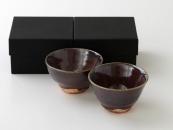
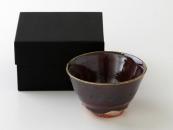
 New 29401 US$252.00 CHABAKO (handcrafted container; capacity 300g)
CHABAKO is a cedar wood box that has been used since the late Edo period to store and transport tea leaves while keeping them fresh. The material typically comes from thinned cedar trees over 30 years old. After being exposed to the elements for at least two months and carefully dried underweight, only the most stable wood-resistant to warping and distortion-is selected....






-
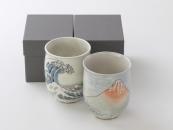
 Limited 31109 US$153.00 SAKURA YAKATABUNE Matcha Starter Set
This Matcha bowl is crafted in Kenzan Cho, where warm red clay and a soft white slip create a refined balance of elegance and rusticity. Kenzan Cho refers to the style of pottery associated with Ogata Kenzan, a ceramic artist of the Edo period, as well as the distinctive aesthetic of Kenzan Yaki that he established...
-
 Limited 31801 US$127.00 YU RYU SAI - ASAGIRI Matcha Starter Set
This Matcha bowl features three carefully layered glazes, creating a refined flow and subtle contrast. The strong base layer blends naturally with soft, milky upper layers, forming gentle gradations of color. The movement of the glaze is precisely calculated, controlled through kiln temperature, placement, and thickness. Each piece is unique, with no two patterns ever the same...
-
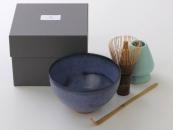 Limited 31804 US$127.00 AO FUJI Matcha Starter Set
This Starter Set includes a Matcha Bowl (Matcha Chawan), Bamboo Whisk (Chasen) with 80 bristles, Whisk Keeper (Kusenaoshi), and Matcha Spoon (Chashaku). We chose AO FUJI handcrafted Matcha Bowl for this Starter Set. It is the most standard shape and size, so that it is also perfect for beginners...
-
 Limited 31806 US$127.00 CHADAMARI - SAKURA Matcha Starter Set
This Matcha bowl features a playful interpretation of CHADAMARI, a uniquely Japanese aesthetic element found at the center of a tea bowl. Traditionally, the chadamari is a small recessed area where the last drops of tea gather after drinking, allowing the bowl to be admired in its full beauty...
-
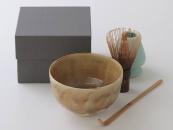 Limited 31807 US$127.00 YU RYU SAI - KOHAKU Matcha Starter Set
This Starter Set includes a Matcha Bowl (Matcha Chawan), Bamboo Whisk (Chasen) with 80 bristles, Whisk Keeper (Kusenaoshi), and Matcha Spoon (Chashaku). We chose YU RYU SAI - KOHAKU handcrafted Matcha Bowl for this Starter Set. It is the most standard shape and size, so that it is also perfect for beginners...
-
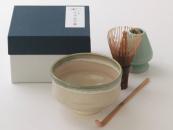 Limited 32107 US$107.00 KIBUCHI ORIBE Matcha Starter Set
This Starter Set includes a Matcha Bowl (Matcha Chawan), Bamboo Whisk (Chasen) with 80 bristles, Whisk Keeper (Kusenaoshi), and Matcha Spoon (Chashaku). We chose KIBUCHI ORIBE handcrafted Matcha Bowl for this Starter Set. It is the most standard shape and size, so that it is also perfect for beginners...
-
 KIRAI 33115 US$2,380.00 KASEYU KURO CHAWAN - Rikyu GONOMI (handcrafted)
This KASEYU KURO CHAWAN – Rikyu GONOMI is a genuine Matcha bowl, following the traditional Raku-yaki method. Formed by a traditional method, which does not use a potter's wheel, the bowl is simple yet exquisitely asymmetrical upon closer inspection. This is the ultimate form pursued by Sen no Rikyu over his lifetime....
-
 KIRAI 33117 US$2,180.00 KURO ORIBE CHAWAN - KOUBAI (handcrafted Matcha Bowl)
This KURO ORIBE CHAWAN is quite unique work, which is made with an avant-garde spirit while strictly adhering to traditional Raku-yaki techniques. What makes this work extraordinary is the harmonization of Raku-yaki and Oribe-yaki, which are two contradictory styles. Raku-yaki focuses on the principle of unintentionality, whereas Oribe-yaki celebrates the artisan’s intentional work in terms of shape, texture, and design....
-
 KIRAI 33125 US$1,920.00 TANSAI AKA CHAWAN - YOSHINO no SAKURA (handcrafted)
This TANSAI AKA CHAWAN - YOSHINO no SAKURA is a pale and beautiful Matcha bowl that represents the famous cherry blossom scenery of Yoshino town, Nara Prefecture. While based on the traditional Raku-Yaki form, it is a masterpiece with a unique charm that is unprecedented in its history......
-
 KIRAI 33130 US$1,780.00 ORIBE CHAWAN (handcrafted Matcha Bowl)
This ORIBE CHAWAN is Raku-Yaki, yet avant-garde, with free inspiration and a relaxed mood. ORIBE means Furuta Oribe(1563-1615), a Japanese general of the Warring States period. He is famous as one of the disciples of Sen no Rikyu(1522-1591), the founder of the Japanese tea ceremony......
-
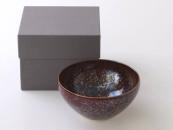
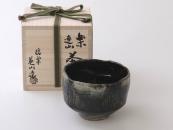 Limited 33801 US$410.00 RENZAN (handcrafted Matcha Bowl)
Thin black glaze was applied from the KOHDAI (foot) to the hip, and thick black glaze was applied around the middle. Mr. Eizan painted white glaze at the upper part, thickly. The flow and degree of mixture and the contrast of the glazes are quite interesting...
-
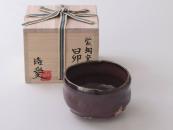 Limited 34103 US$398.00 SHIDOH YOHEN (handcrafted Matcha Bowl)
This Matcha bowl is a masterful expression of Japan’s ancient ceramic heritage, created using the revered technique of WARA HAIYU - a method rooted in nature, fire, and time itself. It is a piece crafted with a deep focus on creating beautiful colors and scenery using materials from the earth...
-
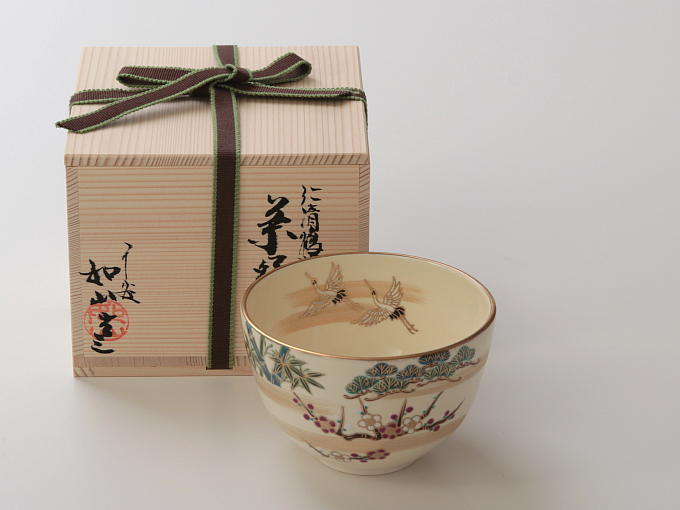 Limited 34107 US$312.00 NINSEI TSURU SHOHCHIKUBAI (handcrafted Matcha Bowl)
This Matcha Bowl is graceful and dignified. NINSEI of this name means Ninsei Nonomura who developed the Kyo-Yaki style in the early 17th century. TSURU means crane and SHOHCHIKUBAI means MATSU pine tree, TAKE bamboo and UME plum in Japanese…
-
 Limited 34253 US$228.00 SHISAI KAMON (handcrafted Matcha Bowl)
TSHISAI KAMON has not only sophisticated but unique atmosphere like nostalgic early-modern Japan. This is created by a technique called MISHIMA. Before shaped clay is dried, patterns are marked by stamp stick carved with flowers or another similar design...
-
 Limited 34455 US$186.00 KOUSAI TENMOKU (handcrafted Matcha Bowl)
This pottery Matcha bowl creates an aura of elegance and nobility. This Matcha bowl is part of a new line of TENMOKU tea ware from Tohan Kiln. The shape is one of the traditional forms, which is used for TENMOKU Chawan. The shape matches with the elegant glaze very well...
-
 Limited 34456 US$186.00 AMEYU HANA MISHIMA (handcrafted Matcha Bowl)
What first draws the eye is the hand pressed flower and ivy motif. The brown and green glazes settle into the carved lines, creating gentle shifts in tone where no two patterns are ever identical. Watching the glaze flow across the surface reveals the beauty of letting nature shape the piece...
-
 Limited 34618 US$162.00 NINSEI HANA RYUSUI (handcrafted Matcha Bowl)
The peaceful scenery of cherry blossoms and the Japanese white-eye bird are whimsically portrayed on this Matcha bowl. The more time you spend with this bowl, the more you will be drawn in by its beauty. Enjoy the taste of Matcha, adorned by delicate and charming cherry blossoms...
-
 Limited 34651 US$162.00 HANA KESSHO USU FUJI (handcrafted Matcha Bowl)
This porcelain Matcha Bowl creates an aura of elegance and a unique pleasant cooling sensation. It is said that it is very difficult for porcelain or earthenware to create a cooling sensation. HANA KESSHO, composed with some colors and some kind of works, is a new line of Tohan Kiln...
-
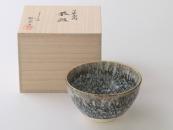 Limited 34652 US$162.00 MANGE YUTEKI (handcrafted Matcha Bowl)
This Matcha bowl looks very simple, but it requires immeasurable efforts and time to create this bowl. Black and white glaze coat this earthenware color Matcha bowl. The flow of white glaze is well reflected on the black glaze, and creates an irregular pattern...
-
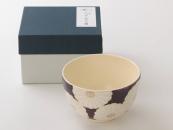 Limited 34770 US$144.00 SHIROKIKU - MURASAKI (handcrafted Matcha Bowl)
This matcha bowl carries a presence that is both bold and quietly serene. KIKU, the chrysanthemum, blooming with strength even in darkness, embodies power and elegance. What immediately draws our attention is the striking contrast of SHIRO and MURASAKI, white and purple - an unexpected pairing that feels calm despite its intensity...
-
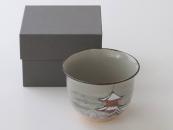 Limited 35109 US$173.00 KIYOMIZUDERA - YUKI GESHIKI (handcrafted Matcha Bowl)
Behind the temple, you see mountains in northeast side of Kyoto city. Since Kyoto is set in a basin, the city is naturally framed by these grand peaks. Combined with strict height limits that keep the buildings low, you get an unbroken view of the surrounding nature from almost anywhere...
-
 Limited 35110 US$113.00 SAKURA YAKATABUNE (handcrafted Matcha Bowl)
This Matcha bowl is crafted in the Kenzan Cho, featuring a warm red clay body finished with a soft white slip, where elegance and gentle rusticity coexist in perfect harmony. Kenzan Cho refers to the style of pottery associated with Ogata Kenzan, a ceramic artist of the Edo period, as well as the distinctive aesthetic of Kenzan Yaki that he established...
-
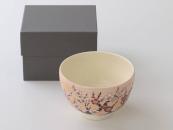 Limited 35300 US$113.00 KOHBAI ZU (handcrafted Matcha Bowl)
KOHBAI refers to UME plum in full bloom with its delicate fragrance. When you gaze at this Matcha bowl, you will see multiple layers of precise craftsmanship and time-intensive work. The more you look at this piece, the more you will appreciate its beauty...
-
 Limited 35501 US$113.00 SAKURA SUZUME (handcrafted Matcha Bowl)
Inspired by Kyoto in full spring bloom, the design captures an enchanting moment: SUZUME fluttering playfully among cascading cherry blossoms, seeking nectar beneath the soft canopy of weeping SAKURA. The scene feels alive - tender, joyful, and fleeting - like spring itself...
-
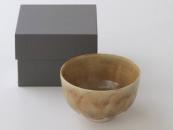 Limited 37207 US$87.00 YU RYU SAI Matcha bowl - KOHAKU (handcrafted)
This Matcha bowl is a refined and elaborate work. Multiple glazes are applied to both the interior and exterior, and their flowing patterns create remarkable beauty. In fact, three layers of glaze are carefully built up, each contributing depth and complexity. The unique contrast between the glazes gives the bowl a fantastic and mysterious aura...
-
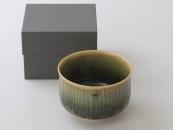
 Limited 37211 US$87.00 AO FUJI (handcrafted Matcha Bowl)
This brilliant blue color crystal glaze is very beautiful. It is difficult to make the glaze colored like this brilliant blue and to create a precise crystal pattern. It requires delicate temperature management in the kiln and sensitive composition of glaze...
-
 Limited 37212 US$87.00 YU RYU SAI Matcha bowl - ASAGIRI (handcrafted)
This Matcha bowl is a refined and elaborate work. Multiple glazes are applied to both the interior and exterior, and their flowing patterns create remarkable beauty. In fact, three layers of glaze are carefully built up, each contributing depth and complexity. The unique contrast between the glazes gives the bowl a fantastic and mysterious aura...
-
 Limited 37216 US$87.00 CHADAMARI - SAKURA (handcrafted Matcha Bowl)
This Matcha bowl has been thoughtfully designed to deepen the enjoyment of a uniquely Japanese aesthetic feature known as CHADAMARI. At the very center of the bowl’s interior base, a delicate cherry blossom-shaped indentation has been placed, inviting both discovery and delight…
-
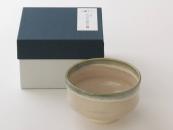 Limited 37701 US$67.00 KIBUCHI ORIBE (handcrafted Matcha Bowl)
This piece was crafted using a green glaze known as RYOKU YU to replicate ROKUSHO IRO, the patina on the surface of bronze, which is produced by oxidation over a long period. It symbolizes the fresh, sprouting young leaves and a profound appreciation of nature...
-
 Limited 38302 US$44.50 KAMAKURA Glass Matcha Bowl (handcrafted)
This Matcha bowl is crafted using the traditional spin-forming technique of EDO Glass. Molten glass is dropped into a rapidly rotating mold, where centrifugal force spreads it outward to form the vessel. This process creates a thin, evenly shaped bowl with gentle undulations and soft texture characteristic of handmade glass...
-
 New 39025 US$40.00 Hand Sifter - Pink Gold (Chakoshi)
The ultimate goal of this product is “the tea strainer you'll want to display,” which is to stand out in both functionality and design. The manufacturer created this Chakoshi for café owners who need to prepare Matcha as fast as possible without leaving any lumpy texture...
-
 New 39070 US$35.50 Mug Whisk (Chasen)
Skillfully handmade from one piece of natural bamboo, the Chasen is used to whisk Matcha into a delicious frothy brew. Unlike traditional whisks used for authentic Matcha, the muddler-style whisk is designed for a more casual and approachable way to enjoy Matcha...
-
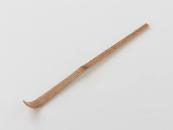
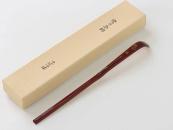 New 39102 US$32.00 NURI Chashaku - TSUBO TSUBO (handcrafted)
What makes this piece truly exceptional is the red lacquered back. By coating only the underside, the natural, unadorned bamboo on the front and the rich red lacquer behind seamlessly complement each other, highlighting their distinct textures...
-
 New 39133 US$98.00 Natsume - Mizume Soji (handcrafted canister)
“Soji” is a finish that preserves and highlights the original grain and natural color of the wood, allowing its inherent elegance to shine through. As the natural grain and original color of the wood are preserved, you can enjoy the aging process more directly....
-
 New 39134 US$98.00 Natsume - Mizume AKA SURI (handcrafted canister)
“Aka Suri” is distinguished by its luminous red finish through which the natural wood grain and subtle texture remain beautifully visible beneath the surface. This effect is achieved through the traditional Fuki-Urushi (wiped lacquer) technique, where layers of lacquer are repeatedly applied and carefully wiped away...
-
 New 39135 US$248.00 Natsume - Nanako Nuri AKANE (handcrafted canister)
This piece features Nanako Nuri, a distinguished Tsugaru lacquer technique characterized by delicate circular patterns. These motifs are created by sprinkling rapeseeds onto freshly applied lacquer, resulting in organic variations where no two circles are identical...
-
 New 39136 US$262.00 Natsume - Kara Nuri NASHIGURO (handcrafted canister)
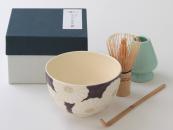
This Natsume is crafted using Kara Nuri, the most representative technique of Tsugaru lacquer craft, in which artisans create distinctive speckled patterns with a perforated spatula, layer colored lacquer, and then polish the surface to reveal vibrant, abstract designs. The word “Kara” signifies excellence, reflecting the superior craftsmanship of this technique...







-
 Limited 42281 US$16.50 Yamanashi SUMOMO Dried Fruit (premium dried plums)
These premium dried fruits are crafted from carefully selected SUMOMO plum, chosen for their exceptional quality and natural flavor. Each piece offers a beautifully balanced taste, where gentle sweetness is complemented by a pleasantly refreshing acidity. This harmonious contrast creates a clean, elegant finish that lingers softly on the palate, allowing you to fully appreciate the true character of the fruit...
-
 Limited 42421 US$19.00 HANA OHIGASHI (handmade confectionary)
HANA OHIGASHI are petite confections, shaped like hemispheres, in three elegant flavors and colors: green for Matcha, beige for Houjicha and pink for plain. Each subtly sweet and mild flavor pairs perfectly with all types of Japanese green tea. We have no doubt that you will enjoy your relaxing tea time more than ever when you taste HANA OHIGASHI...
-
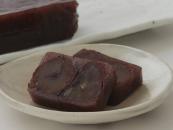 Limited 43107 US$24.00 KURI YOHKAN - HOMARE Honor (premium chestnuts)
Our seasonal KURI YOHKAN combines traditional, smooth sweet bean jam with premium Suki Chestnuts from Miyazaki Prefecture. Made simply with natural ingredients, it offers an authentic and indulgent way to experience the pure taste of a Japanese autumn…
-
 Limited 43110
US$24.00US$19.50 KUROMAME HINERI MOCHI (rice cake with black bean)HINERI MOCHI means "twisted rice cake" in Japanese and it is one of the traditional Japanese sweets. KUROMAME black beans, which have a rich nutty flavor, and AN bean jam are wrapped in soft MOCHI rice cake. KUROMAME black beans and AN bean jam pair with the MOCHI rice cake and they are a superb combination...
-
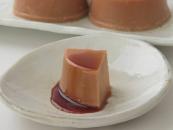 Limited 43202 US$18.00 Japanese Sweet Potato Pudding with Caramel Sauce
This Sweet Potato Pudding is a traditional Japanese confection that represents autumn in Japan. It features the rich, deeply roasted aroma of GOROJIMA KINTOKI sweet potatoes, a specialty product in Ishikawa prefecture. It is served with caramel sauce specially crafted for this pudding...
-
 Limited 43216 US$14.50 YUZU Peel (Japanese citrus peel glace)
Our YUZU are grown in the Kawane area in Hiroshima Prefecture, located in western Japan. Our YUZU are grown in a very severe climate with an especially harsh winter, which makes them gentle and less bitter and sour. The natural and delicate sweetness expands in your mouth, and the very soft and plump texture is a joy to eat...
-
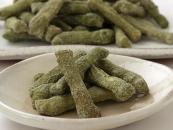 Limited 43323 US$15.00 Matcha ARARE (handmade rice cracker)
ARARE is a rice cracker made from glutinous rice, named because its shape resembles the hail that falls from the sky in winter, which is called “ARARE” in Japanese. It is one of the most common snacks in Japan to enjoy with a cup of green tea.
-
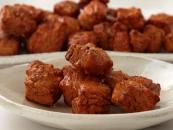 Limited 43324 US$15.00 SANSHO Japanese Pepper ARARE (handmade rice cracker)
ARARE is a rice cracker made from glutinous rice, named because its shape resembles the hail that falls from the sky in winter, which is called “ARARE” in Japanese. It is one of the most common snacks in Japan to enjoy with a cup of green tea.
-
 Limited 43411 US$19.50 Matcha Cornetta (modern confection)
Name of these sweets is “Matcha Cornetta” meaning baked and rolled crepe with Matcha. The rolled crepe is very unique, airy, and pleasant texture. These Japanese modern confections are made in a long established chocolatier in Kyoto, who pioneered these modern Matcha sweets and has now been producing them for many years...


