- Competition Grade Tea
- What's Kuradashi Tea
- Four Seasons of Green Tea
- Green Tea for Health
- How to Enjoy Green Tea
- History of Green Tea
- Benefits of Matcha
- Japanese Tea Ceremony
- Organic Tea Farm
- Celebration Gifts in Japan
- Golden Celebration Tea -New Year's Tea
- Choosing a Japanese Tea
- Choosing Tea Ware
- Traveling around Uji
- RAKU YAKI - Avantgarde to Tradition


- Competition Grade Tea (Limited)Unique, full and generous flavor, different from usual tea

- Kuradashi Matcha (Limited)Enriched by traditional way. Mellow and enhanced taste

- Golden Celebration TeaGold flakes makes a beautiful presentation

- RAKU YAKI - Matcha Bowl (New & Limited)Avant-garde and novel limited bowls

- What is Competition Grade Tea?Extraordinary tea available only at the National Tea Fair
- Blended Sencha (Limited)Aroma of Sencha & taste of Gyokuro

- Matcha Bowls / Accessories (New & Limited)Modern sophisticated / traditional handcrafted

- [Limited] Snacks / Candy (Winter)Premium, Traditional & Modern
![[Limited] Snacks / Candy](./images/seasonal_topics/Banner_Winter25.jpg "[Limited] Snacks / Candy")
Matcha Bowls/Accessories
All of our Matcha Bowls / Accessories are carefully selected for their function, value, and style. We have a wide variety of items: handmade matcha bowls, bamboo accessories for matcha, and much more.

Best Selling Items- Monthly
-
1
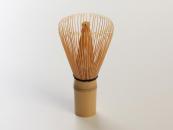
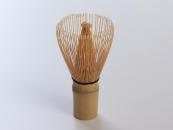 Bamboo Whisk 100 bristles (Chasen)
US$35.50
Bamboo Whisk 100 bristles (Chasen)
US$35.50
-
2
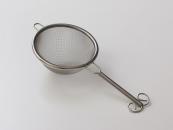 Hand Sifter (Chakoshi)
US$12.50
Hand Sifter (Chakoshi)
US$12.50
-
3
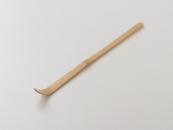
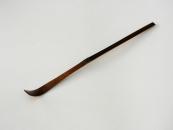 SUSUDAKE Chashaku (handcrafted Matcha Spoon)
US$18.50
SUSUDAKE Chashaku (handcrafted Matcha Spoon)
US$18.50
-
4
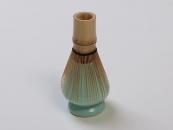 Whisk Keeper (Kusenaoshi)
US$14.50
Whisk Keeper (Kusenaoshi)
US$14.50
-
5
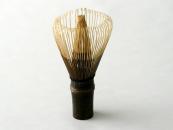 KUROCHIKU Chasen (Bamboo Whisk)
US$35.50
KUROCHIKU Chasen (Bamboo Whisk)
US$35.50
-
6
![[New] Whisk Keeper - ORIBE (Kusenaoshi)](/images/upload/thumbnail/KUSENAOSHI_ORIBE_A02.JPG "[New] Whisk Keeper - ORIBE (Kusenaoshi)") [New] Whisk Keeper - ORIBE (Kusenaoshi)
US$23.00
[New] Whisk Keeper - ORIBE (Kusenaoshi)
US$23.00
-
7
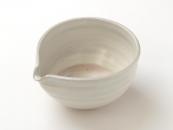 KATAKUCHI Matcha Bowl(handcrafted Bowl with pour spout)
US$40.50
KATAKUCHI Matcha Bowl(handcrafted Bowl with pour spout)
US$40.50
-
8
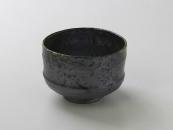 BEEDORO Matcha Chawan (Matcha Bowl)
US$38.00
BEEDORO Matcha Chawan (Matcha Bowl)
US$38.00
-
9
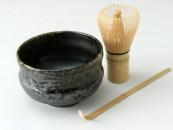 BEEDORO Matcha Starter Set
US$72.00
BEEDORO Matcha Starter Set
US$72.00
-
10
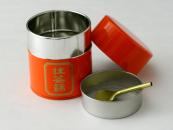 Matcha Sifter
US$19.00
Matcha Sifter
US$19.00
-
11
![[New] Whisk Keeper - Matte Green (Kusenaoshi)](/images/upload/thumbnail/KUSENAOSHI_Mattgreen_A01.JPG "[New] Whisk Keeper - Matte Green (Kusenaoshi)") [New] Whisk Keeper - Matte Green (Kusenaoshi)
US$23.00
[New] Whisk Keeper - Matte Green (Kusenaoshi)
US$23.00
-
12
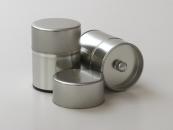 KIJICAN (airtight container: pair: capacity 40g)
US$18.00
KIJICAN (airtight container: pair: capacity 40g)
US$18.00
-
13
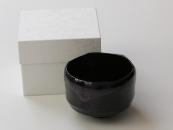 KURO RAKU (handcrafted Matcha Bowl)
US$113.00
KURO RAKU (handcrafted Matcha Bowl)
US$113.00
-
14
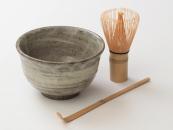 Starter Set for Matcha Tea Ware
US$68.00
Starter Set for Matcha Tea Ware
US$68.00
-
15
![[New] KATAKUCHI Matcha Bowl - SABI AO (Bowl with Pour Spout)](/images/upload/thumbnail/KATAKUCHI-Matcha-Bowl-SABIAO_A01.jpg "[New] KATAKUCHI Matcha Bowl - SABI AO (Bowl with Pour Spout)") [New] KATAKUCHI Matcha Bowl - SABI AO (Bowl with Pour Spout)
US$42.50
[New] KATAKUCHI Matcha Bowl - SABI AO (Bowl with Pour Spout)
US$42.50


-
![[Limited] BYODOIN - MOMIJI GESHIKI Matcha Starter Set](/images/upload/thumbnail/BYODOIN-MOMIJI-GESHIKI-StarterSets_A01.jpg "[Limited] BYODOIN - MOMIJI GESHIKI Matcha Starter Set") Limited 31056 US$153.00 BYODOIN - MOMIJI GESHIKI Matcha Starter Set
Limited 31056 US$153.00 BYODOIN - MOMIJI GESHIKI Matcha Starter SetThis Starter Set includes a Matcha Bowl (Matcha Chawan), Bamboo Whisk (Chasen) with 100 bristles, Whisk Keeper (Kusenaoshi), and Matcha Spoon (Chashaku). We chose BYODOIN - MOMIJI GESHIKI handcrafted Matcha Bowl, painted elegantly by typical Kyo Yaki style, for this Starter Set....

![[New] SEIHAKUJI Matcha Starter Set](/images/upload/thumbnail/SEIHAKUJI-StarterSet_A01.jpg "[New] SEIHAKUJI Matcha Starter Set")
![[Limited] KOHRIN KOHAKUBAIZU Matcha Starter Set](/images/upload/thumbnail/KOUHAKUBAIZU_StarterSet_A01.JPG "[Limited] KOHRIN KOHAKUBAIZU Matcha Starter Set")
![[Limited] TENMOKU Matcha Starter Set](/images/upload/thumbnail/Tenmoku_StarterSet_A01.jpg "[Limited] TENMOKU Matcha Starter Set")
-
![[KIRAI] KASEYU KURO CHAWAN - Rikyu GONOMI (handcrafted)](/images/upload/thumbnail/RIKYU_GONOMI_A01.JPG "[KIRAI] KASEYU KURO CHAWAN - Rikyu GONOMI (handcrafted)") KIRAI 33115 US$2,380.00 KASEYU KURO CHAWAN - Rikyu GONOMI (handcrafted)
KIRAI 33115 US$2,380.00 KASEYU KURO CHAWAN - Rikyu GONOMI (handcrafted)This KASEYU KURO CHAWAN – Rikyu GONOMI is a genuine Matcha bowl, following the traditional Raku-yaki method. Formed by a traditional method, which does not use a potter's wheel, the bowl is simple yet exquisitely asymmetrical upon closer inspection. This is the ultimate form pursued by Sen no Rikyu over his lifetime....
-
![[KIRAI] KURO CHAWAN - KEKKAI (handcrafted Matcha Bowl)](/images/upload/thumbnail/KURO_CHAWAN_KEKKAI_A01.JPG "[KIRAI] KURO CHAWAN - KEKKAI (handcrafted Matcha Bowl)") KIRAI 33116 US$2,180.00 KURO CHAWAN - KEKKAI (handcrafted Matcha Bowl)
KIRAI 33116 US$2,180.00 KURO CHAWAN - KEKKAI (handcrafted Matcha Bowl)This KURO CHAWAN is quite unique work, which is made with an avant-garde spirit while strictly adhering to traditional Raku-yaki techniques. What makes this work extraordinary is the gold line that illuminates the jet-black surface. There are, moreover, reddish brown and green colors along the gold line that add visual interest and depth....
-
![[KIRAI] KURO ORIBE CHAWAN - KOUBAI (handcrafted Matcha Bowl)](/images/upload/thumbnail/KURO_ORIBE_KOUBAI_A01.JPG "[KIRAI] KURO ORIBE CHAWAN - KOUBAI (handcrafted Matcha Bowl)") KIRAI 33117 US$2,180.00 KURO ORIBE CHAWAN - KOUBAI (handcrafted Matcha Bowl)
KIRAI 33117 US$2,180.00 KURO ORIBE CHAWAN - KOUBAI (handcrafted Matcha Bowl)This KURO ORIBE CHAWAN is quite unique work, which is made with an avant-garde spirit while strictly adhering to traditional Raku-yaki techniques. What makes this work extraordinary is the harmonization of Raku-yaki and Oribe-yaki, which are two contradictory styles. Raku-yaki focuses on the principle of unintentionality, whereas Oribe-yaki celebrates the artisan’s intentional work in terms of shape, texture, and design....
-
![[KIRAI] TANSAI AKA CHAWAN - YOSHINO no SAKURA (handcrafted)](/images/upload/thumbnail/TANSAI_AKA_CHAWAN_25_A01.JPG "[KIRAI] TANSAI AKA CHAWAN - YOSHINO no SAKURA (handcrafted)") KIRAI 33125 US$1,920.00 TANSAI AKA CHAWAN - YOSHINO no SAKURA (handcrafted)
KIRAI 33125 US$1,920.00 TANSAI AKA CHAWAN - YOSHINO no SAKURA (handcrafted)This TANSAI AKA CHAWAN - YOSHINO no SAKURA is a pale and beautiful Matcha bowl that represents the famous cherry blossom scenery of Yoshino town, Nara Prefecture. While based on the traditional Raku-Yaki form, it is a masterpiece with a unique charm that is unprecedented in its history......
-
![[KIRAI] ORIBE CHAWAN (handcrafted Matcha Bowl)](/images/upload/thumbnail/ORIBE_CHAWAN_25_A01.JPG "[KIRAI] ORIBE CHAWAN (handcrafted Matcha Bowl)") KIRAI 33130 US$1,780.00 ORIBE CHAWAN (handcrafted Matcha Bowl)
KIRAI 33130 US$1,780.00 ORIBE CHAWAN (handcrafted Matcha Bowl)This ORIBE CHAWAN is Raku-Yaki, yet avant-garde, with free inspiration and a relaxed mood. ORIBE means Furuta Oribe(1563-1615), a Japanese general of the Warring States period. He is famous as one of the disciples of Sen no Rikyu(1522-1591), the founder of the Japanese tea ceremony......
![[KIRAI] AKA CHAWAN - JYUEI (handcrafted Matcha Bowl)](/images/upload/thumbnail/AKA_CHAWAN_JYUEI_A01.JPG "[KIRAI] AKA CHAWAN - JYUEI (handcrafted Matcha Bowl)")
-
![[Tale of Genji] KIRITSUBO (handcrafted Matcha Bowl)](/images/upload/thumbnail/KIRITSUBO_A01.jpg "[Tale of Genji] KIRITSUBO (handcrafted Matcha Bowl)") Tale of Genji 34006 US$312.00 KIRITSUBO (handcrafted Matcha Bowl)
Tale of Genji 34006 US$312.00 KIRITSUBO (handcrafted Matcha Bowl)KIRITSUBO is the title of the 1st of 54 stories in the Tale of Genji, and it is also the Emperor’s name, who is the father of Hikaru Genji. The main feature of this Matcha bowl is the lady Kiritsubo and her son, Hikaru Genji. Zenshoh Yamaoka nobly describes the celebratory occasion of a new baby...
-
![[Tale of Genji] ASAGAO (handcrafted Matcha Bowl)](/images/upload/thumbnail/ASAGAO_A01.jpg "[Tale of Genji] ASAGAO (handcrafted Matcha Bowl)") Tale of Genji 34017 US$312.00 ASAGAO (handcrafted Matcha Bowl)
Tale of Genji 34017 US$312.00 ASAGAO (handcrafted Matcha Bowl)ASAGAO means morning glory in Japanese, but in this story, ASAGAO is the name of a woman whom Hikaru Genji loved and proposed to. One of the focal points of this Matcha bowl is the traditional technique known as GOHONDE, orange flecks inside and outside the bowl. This technique also adds the warm accent to the snowy view...
-
![[Limited] NINSEI TSUBAKI (handcrafted Matcha Bowl)](/images/upload/thumbnail/NINSEI-TSUBAKI_A01.jpg "[Limited] NINSEI TSUBAKI (handcrafted Matcha Bowl)") Limited 34252 US$228.00 NINSEI TSUBAKI (handcrafted Matcha Bowl)
Limited 34252 US$228.00 NINSEI TSUBAKI (handcrafted Matcha Bowl)This Matcha Bowl is graceful and dignified. The combination of the paintings of camellia flowers and the decoration of gold brings an extremely elegant atmosphere. NINSEI of this name means Ninsei Nonomura who developed the Kyo-Yaki style in the early 17th century...
-
![[Limited] SEKISAN TENMOKU (handcrafted Matcha Bowl)](/images/upload/thumbnail/SEKISAN-TENMOKU_A01.jpg "[Limited] SEKISAN TENMOKU (handcrafted Matcha Bowl)") Limited 34454 US$186.00 SEKISAN TENMOKU (handcrafted Matcha Bowl)
Limited 34454 US$186.00 SEKISAN TENMOKU (handcrafted Matcha Bowl)This pottery Matcha bowl creates an aura of elegance and nobility. This Matcha bowl is part of a new line of TENMOKU tea ware from Tohan Kiln. The shape is one of the traditional forms, which is used for TENMOKU Chawan. The shape matches with the elegant glaze very well...
-
![[Limited] HANA KESSHO HAICHA (handcrafted Matcha Bowl)](/images/upload/thumbnail/HANAKESSHOH-HAICHA_A01.jpg "[Limited] HANA KESSHO HAICHA (handcrafted Matcha Bowl)") Limited 34616 US$162.00 HANA KESSHO HAICHA (handcrafted Matcha Bowl)
Limited 34616 US$162.00 HANA KESSHO HAICHA (handcrafted Matcha Bowl)This pottery Matcha bowl creates an aura of elegance and a unique pleasant cooling sensation. It is said that it is very difficult for porcelain or earthenware to evoke the sensation of cooling. This Matcha bowl is part of a new line of HANA KESSHO tea ware. Other HANA KESSHO lines are porcelain but this new line is pottery. The fact that it is pottery instead of porcelain helps to create the unique aura...
-
![[Limited] HANA KOGIKU (handcrafted Matcha Bowl)](/images/upload/thumbnail/HANAKOGIKU_A01.JPG "[Limited] HANA KOGIKU (handcrafted Matcha Bowl)") Limited 34617 US$162.00 HANA KOGIKU (handcrafted Matcha Bowl)
Limited 34617 US$162.00 HANA KOGIKU (handcrafted Matcha Bowl)HANA means flowers, and KOGIKU means small chrysanthemums in Japanese. Chrysanthemum is one of the autumn flowers of Japan and has been regarded as a noble flower. It is used in the crest of the Emperor and the Imperial Household. It also symbolizes longevity, so it can be found everywhere in Japan, such as the cover of the passport, design of Kimono, and so on...
-
![[Limited] BYODOIN - MOMIJI GESHIKI (handcrafted)](/images/upload/thumbnail/BYODOIN-MOMIJI-GESHIKI_MatchaBowl_A01.jpg "[Limited] BYODOIN - MOMIJI GESHIKI (handcrafted)") Limited 35108 US$113.00 BYODOIN - MOMIJI GESHIKI (handcrafted) BYODOIN is one of the most admired landmarks in Kyoto, Japan’s ancient capital, and MOMIJI GESHIKI means “maple landscape” in Japanese. This Matcha bowl depicts the magnificent wooden hall surrounded by brilliant maple leaves, along with the natural scenery of Kyoto...
Limited 35108 US$113.00 BYODOIN - MOMIJI GESHIKI (handcrafted) BYODOIN is one of the most admired landmarks in Kyoto, Japan’s ancient capital, and MOMIJI GESHIKI means “maple landscape” in Japanese. This Matcha bowl depicts the magnificent wooden hall surrounded by brilliant maple leaves, along with the natural scenery of Kyoto...
-
![[Limited] KOHRIN KOHAKUBAIZU (handcrafted Matcha Bowl)](/images/upload/thumbnail/KOUHAKUBAIZU-Matchabowl_A01.JPG "[Limited] KOHRIN KOHAKUBAIZU (handcrafted Matcha Bowl)") Limited 36014 US$97.00 KOHRIN KOHAKUBAIZU (handcrafted Matcha Bowl)
Limited 36014 US$97.00 KOHRIN KOHAKUBAIZU (handcrafted Matcha Bowl)KOHAKU BAI means red and white color UME plum, which blooms in late winter and adds beautiful colors to the Japanese winter snow. The red and white colors of the plum tree are facing each other across the river, gracefully blooming. While the tree branches are painted angular and sharp, the UME plums are aimless dots that have the plump texture of paint, which balances out the sharpness of the trees...
-
![[Limited] TENMOKU (handcrafted Matcha Bowl)](/images/upload/thumbnail/Tenmoku-MatchaBowl_A01.jpg "[Limited] TENMOKU (handcrafted Matcha Bowl)") Limited 37505 US$71.00 TENMOKU (handcrafted Matcha Bowl)
Limited 37505 US$71.00 TENMOKU (handcrafted Matcha Bowl)This Matcha bowl looks very simple, but it requires great effort and technique to create this bowl. Black glaze called TENMOKU YU coats this earthenware color Matcha bowl. The flow of TENMOKU glaze is well reflected on this bowl, and also creates a pattern as though we are looking at stars in the night sky...
-
![[New] SEIHAKUJI Matcha Chawan (Porcelain Matcha Bowl)](/images/upload/thumbnail/SEIHAKUJI-Matcha-Chawan_A01.jpg "[New] SEIHAKUJI Matcha Chawan (Porcelain Matcha Bowl)") New 38503 US$28.00 SEIHAKUJI Matcha Chawan (Porcelain Matcha Bowl)
New 38503 US$28.00 SEIHAKUJI Matcha Chawan (Porcelain Matcha Bowl)SEI means blue in Japanese. SEIHAKUJI is a kind of HAKUJI (white porcelain) with a glaze that is a beautiful light blue. SEIHAKUJI was held in high esteem by nobles such as Japanese feudal lords. The pale blue color evokes a clean and calm atmosphere...
![[Limited] TANYU SHIKI MATSU ZU (handcrafted Matcha Bowl)](/images/upload/thumbnail/SHIKIMATSUZU-MatchaBowl_A01.jpg "[Limited] TANYU SHIKI MATSU ZU (handcrafted Matcha Bowl)")
![[Limited] MOEGI (handcrafted Matcha Bowl)](/images/upload/thumbnail/MOEGI_A01.jpg "[Limited] MOEGI (handcrafted Matcha Bowl)")
![[Limited] KINSAI OSHIDORI (handcrafted Matcha Bowl)](/images/upload/thumbnail/KINSAI_OSHIDORI_A01.jpg "[Limited] KINSAI OSHIDORI (handcrafted Matcha Bowl)")
-
KIRAI 33115 US$2,380.00 KASEYU KURO CHAWAN - Rikyu GONOMI (handcrafted)
This KASEYU KURO CHAWAN – Rikyu GONOMI is a genuine Matcha bowl, following the traditional Raku-yaki method. Formed by a traditional method, which does not use a potter's wheel, the bowl is simple yet exquisitely asymmetrical upon closer inspection. This is the ultimate form pursued by Sen no Rikyu over his lifetime....
-
KIRAI 33116 US$2,180.00 KURO CHAWAN - KEKKAI (handcrafted Matcha Bowl)
This KURO CHAWAN is quite unique work, which is made with an avant-garde spirit while strictly adhering to traditional Raku-yaki techniques. What makes this work extraordinary is the gold line that illuminates the jet-black surface. There are, moreover, reddish brown and green colors along the gold line that add visual interest and depth....
-
KIRAI 33117 US$2,180.00 KURO ORIBE CHAWAN - KOUBAI (handcrafted Matcha Bowl)
This KURO ORIBE CHAWAN is quite unique work, which is made with an avant-garde spirit while strictly adhering to traditional Raku-yaki techniques. What makes this work extraordinary is the harmonization of Raku-yaki and Oribe-yaki, which are two contradictory styles. Raku-yaki focuses on the principle of unintentionality, whereas Oribe-yaki celebrates the artisan’s intentional work in terms of shape, texture, and design....
-
KIRAI 33125 US$1,920.00 TANSAI AKA CHAWAN - YOSHINO no SAKURA (handcrafted)
This TANSAI AKA CHAWAN - YOSHINO no SAKURA is a pale and beautiful Matcha bowl that represents the famous cherry blossom scenery of Yoshino town, Nara Prefecture. While based on the traditional Raku-Yaki form, it is a masterpiece with a unique charm that is unprecedented in its history......
-
KIRAI 33130 US$1,780.00 ORIBE CHAWAN (handcrafted Matcha Bowl)
This ORIBE CHAWAN is Raku-Yaki, yet avant-garde, with free inspiration and a relaxed mood. ORIBE means Furuta Oribe(1563-1615), a Japanese general of the Warring States period. He is famous as one of the disciples of Sen no Rikyu(1522-1591), the founder of the Japanese tea ceremony......
-
![[Limited] KURO IWANAMI - KUTSUGATA (handcrafted Matcha bowl)](/images/upload/thumbnail/KURO-IWANAMI-KUTSUGATA_A01.jpg "[Limited] KURO IWANAMI - KUTSUGATA (handcrafted Matcha bowl)") Limited 33301 US$845.00 KURO IWANAMI - KUTSUGATA (handcrafted Matcha bowl)
Limited 33301 US$845.00 KURO IWANAMI - KUTSUGATA (handcrafted Matcha bowl)KURO IWANAMI means waves crashing on black rocks in Japanese. This Matcha bowl is very avant-garde, yet it is based on traditional techniques, and created uniquely by the artisan, Mr. Sako. It is ideal for tea ceremonies, and holding it in both hands is inexplicably calming.
-
![[Limited] KURO IWANAMI - HIRAGATA (handcrafted Matcha bowl)](/images/upload/thumbnail/KURO-IWANAMI-HIRAGATA_A01.jpg "[Limited] KURO IWANAMI - HIRAGATA (handcrafted Matcha bowl)") Limited 33302 US$845.00 KURO IWANAMI - HIRAGATA (handcrafted Matcha bowl)
Limited 33302 US$845.00 KURO IWANAMI - HIRAGATA (handcrafted Matcha bowl)KURO IWANAMI means waves crashing on black rocks in Japanese. This Matcha bowl is very avant-garde, yet it is based on traditional techniques, and created uniquely by the artisan, Mr. Sako. It is ideal for tea ceremonies, and holding it in both hands is inexplicably calming.
-
![[Limited] KURO IWANAMI - TSUTSUGATA (handcrafted Matcha bowl)](/images/upload/thumbnail/KURO-IWANAMI-TSUTSUGATA_A01.jpg "[Limited] KURO IWANAMI - TSUTSUGATA (handcrafted Matcha bowl)") Limited 33303 US$845.00 KURO IWANAMI - TSUTSUGATA (handcrafted Matcha bowl)
Limited 33303 US$845.00 KURO IWANAMI - TSUTSUGATA (handcrafted Matcha bowl)KURO IWANAMI means waves crashing on black rocks in Japanese. This Matcha bowl is very avant-garde, yet it is based on traditional techniques, and created uniquely by the artisan, Mr. Sako. It is ideal for tea ceremonies, and holding it in both hands is inexplicably calming.
-
![[NIJO Castle KANO] MATSU TAKA ZU (by Zenshoh Yamaoka)](/images/upload/thumbnail/Matsutakazu_A01.jpg "[NIJO Castle KANO] MATSU TAKA ZU (by Zenshoh Yamaoka)") NIJO Castle KANO 33351 US$791.00 MATSU TAKA ZU (by Zenshoh Yamaoka)
NIJO Castle KANO 33351 US$791.00 MATSU TAKA ZU (by Zenshoh Yamaoka)MATSU TAKA ZU was painted for the OHIROMA great hall, where is decorated with paintings that honored the SHOGUN emperor. When the DAIMYO vassal lords looked up to see the SHOGUN emperor, they felt as if the great pine tree arced above the SHOGUN emperor...
-
![[NIJO Castle KANO] KIKU ZU (by Zenshoh Yamaoka)](/images/upload/thumbnail/Kikuzu_A01.jpg "[NIJO Castle KANO] KIKU ZU (by Zenshoh Yamaoka)") NIJO Castle KANO 33352 US$750.00 KIKU ZU (by Zenshoh Yamaoka)
NIJO Castle KANO 33352 US$750.00 KIKU ZU (by Zenshoh Yamaoka)KIKU ZU was painted for the KUROSHOIN rooms, where the SHOGUN emperor carried out everyday tasks with his followers, are decorated with relaxing, elegant, and gentle paintings of birds, flowers, trees, and so on in order to create an atmosphere of abundant fertility...
-
![[NIJO Castle KANO] CHIKURIN GUNKO ZU (by Zenshoh Yamaoka)](/images/upload/thumbnail/Chikuringunkozu_A01.jpg "[NIJO Castle KANO] CHIKURIN GUNKO ZU (by Zenshoh Yamaoka)") NIJO Castle KANO 33353 US$658.00 CHIKURIN GUNKO ZU (by Zenshoh Yamaoka)
NIJO Castle KANO 33353 US$658.00 CHIKURIN GUNKO ZU (by Zenshoh Yamaoka)CHIKURIN GUNKO ZU was painted for the west wing of TOHZAMURAI great entrance hall, where is decorated with strong, dynamic paintings in order to show the dignity of the SHOGUN emperor to DAIMYO vassal lords. DAIMYO vassal lords should have felt awed to see paintings of the tiger pride...
-
![[NIJO Castle KANO] ROGAN ZU (by Zenshoh Yamaoka)](/images/upload/thumbnail/Roganzu_A01.jpg "[NIJO Castle KANO] ROGAN ZU (by Zenshoh Yamaoka)") NIJO Castle KANO 33354 US$658.00 ROGAN ZU (by Zenshoh Yamaoka)
NIJO Castle KANO 33354 US$658.00 ROGAN ZU (by Zenshoh Yamaoka)ROGAN ZU was painted for the anterooms of the SHIKIDAI rooms, where are decorated with affable, kindly, and elegant paintings to cultivate a feeling of warm hospitality. This ROGAN ZU is popular because of the affable, kindly, and elegant atmosphere...
-
![[Shouraku] SHICHIRI (handcrafted Matcha Bowl)](/images/upload/thumbnail/Shichiri_A01.jpg "[Shouraku] SHICHIRI (handcrafted Matcha Bowl)") Shouraku 33603 US$449.00 SHICHIRI (handcrafted Matcha Bowl)
Shouraku 33603 US$449.00 SHICHIRI (handcrafted Matcha Bowl)The sides of this piece are deliberately and boldly whittled away. It evokes a very powerful impression, as though we are gazing upon a great rocky cliff. The foot of this bowl is intentionally finished low and the scene from the bottom to the middle of the side is sublime and tension-filled...
-
![[Shouraku] OTOKOZE (handcrafted Matcha Bowl)](/images/upload/thumbnail/Otokoze_A01.jpg "[Shouraku] OTOKOZE (handcrafted Matcha Bowl)") Shouraku 33605 US$397.00 OTOKOZE (handcrafted Matcha Bowl)
Shouraku 33605 US$397.00 OTOKOZE (handcrafted Matcha Bowl)The form of this bowl faithfully reproduces the original work of Kohetsu Honami. Kohetsu is famous for producing novel and avant-garde works. The round shape like this OTOKOZE bowl is a textbook example. Its form and size surprisingly fit into both hands when drinking Matcha, in contrast with the unique and novel appearance...
-
Tale of Genji 34006 US$312.00 KIRITSUBO (handcrafted Matcha Bowl)
KIRITSUBO is the title of the 1st of 54 stories in the Tale of Genji, and it is also the Emperor’s name, who is the father of Hikaru Genji. The main feature of this Matcha bowl is the lady Kiritsubo and her son, Hikaru Genji. Zenshoh Yamaoka nobly describes the celebratory occasion of a new baby...
-
Tale of Genji 34017 US$312.00 ASAGAO (handcrafted Matcha Bowl)
ASAGAO means morning glory in Japanese, but in this story, ASAGAO is the name of a woman whom Hikaru Genji loved and proposed to. One of the focal points of this Matcha bowl is the traditional technique known as GOHONDE, orange flecks inside and outside the bowl. This technique also adds the warm accent to the snowy view...
![[Shouraku] KURO MAKUGUSURI CHAWAN (by Shouraku III)](/images/upload/thumbnail/KuroMakugusuriChawan_A01.jpg "[Shouraku] KURO MAKUGUSURI CHAWAN (by Shouraku III)")
![[Shouraku] AKA MAKUGUSURI CHAWAN (by Shohraku III)](/images/upload/thumbnail/AkaMakugusuriChawan_A01.jpg "[Shouraku] AKA MAKUGUSURI CHAWAN (by Shohraku III)")
![[Shouraku] SAMIDARE (handcrafted Matcha Bowl)](/images/upload/thumbnail/Samidare_A01.jpg "[Shouraku] SAMIDARE (handcrafted Matcha Bowl)")
![[Shouraku] MUKIGURI (handcrafted Matcha Bowl)](/images/upload/thumbnail/Mukiguri_A01.jpg "[Shouraku] MUKIGURI (handcrafted Matcha Bowl)")
![[Shouraku] FUJISAN (handcrafted Matcha Bowl)](/images/upload/thumbnail/Fujiyama_A01.jpg "[Shouraku] FUJISAN (handcrafted Matcha Bowl)")
-
![[New] Hand Sifter - Pink Gold (Chakoshi)](/images/upload/thumbnail/hand_sifter_Pinkgold_A01.JPG "[New] Hand Sifter - Pink Gold (Chakoshi)") New 39025 US$37.00 Hand Sifter - Pink Gold (Chakoshi)
New 39025 US$37.00 Hand Sifter - Pink Gold (Chakoshi)The ultimate goal of this product is “the tea strainer you'll want to display,” which is to stand out in both functionality and design. The manufacturer created this Chakoshi for café owners who need to prepare Matcha as fast as possible without leaving any lumpy texture...
-
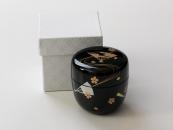
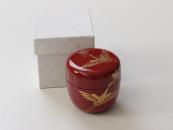 39120 US$53.00 Natsume - MATSUKUI TSURU (handcrafted canister)
NATSUME is a Matcha container traditionally used in the Japanese tea ceremony. MATSU means pine, and TSURU means crane in Japanese. Both of them have been regarded as the traditional auspicious composition symbolizing longevity in Japan...
-
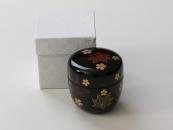 39130 US$53.00 Natsume - SAKURA MOMIJI (handcrafted canister)
This canister expresses the four seasons in Japan by cherry blossoms and maple leaves. All flowers and leaves flutter elegantly in this canister. TAME is a specific color of lacquer craft. The color is a rich dark brown, and it is one of the most traditional colors of Yamanaka Nuri...
-
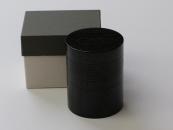 39161 US$99.00 KEYAKI KURO MEHAJIKI (handcrafted container; capacity 60g)
The wood is from the Zelkova tree, known as KEYAKI in Japan. Japanese artisans use KEYAKI for traditional wooden lacquer because the wood is strong and the grain is quite beautiful. KURO means black, and MEHAJIKI is one of the craft techniques used to paint lacquer. The glossy and deep black color evokes a noble and majestic atmosphere...
-
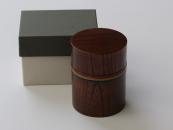 39162 US$95.00 KEYAKI KOMANURI (handcrafted container; capacity 60g)
The stripe design on this tea container is called KOMA NURI in Japanese. KOMA means a toy spinning top, and NURI means painting in Japanese. KOMA is a traditional toy, played with during the New Year holiday celebration in Japan, and is said to be an auspicious item...